

Agricultural Shade Nets: A Smart Investment for Healthier Plants and Higher Profits!
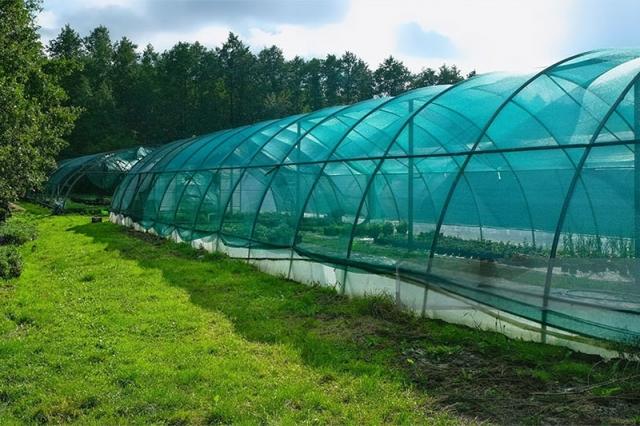
In an age where climate conditions are increasingly unpredictable, maintaining optimal growing environments has become one of agriculture's most pressing challenges. Whether it's scorching heat in peak summer, unexpected hailstorms, or prolonged exposure to UV rays, crop damage from environmental stressors is a persistent threat to profitability. To counter these risks, progressive growers around the world are turning to a modern, cost-effective solution — Agricultural Shade Nets.
At Qingdao Agrishade Mesh Co., Ltd., we specialize in designing and manufacturing high-performance netting solutions that enhance crop protection, improve microclimates, and help farmers achieve more sustainable and profitable farming practices. Our Agricultural Shade Nets are engineered to regulate sunlight, reduce heat stress, protect from wind and birds, and promote healthier plant development — all while improving resource-use efficiency.
Unlike conventional covers or makeshift shade structures, Agricultural Shade Nets provide uniform protection with minimal labor, making them a long-term investment that yields significant returns. Whether you're operating a small vegetable farm, a commercial greenhouse, or a tropical nursery, installing high-quality shade nets can drastically improve your crop yield, quality, and income.
But what makes Agricultural Shade Nets such a smart investment?
How exactly do they improve plant health, and which type is right for your specific crop or geography?
What Are Agricultural Shade Nets?
Agricultural Shade Nets are woven or knitted mesh fabrics developed to block, filter, or control the amount of sunlight and heat reaching plants. Typically made from high-density polyethylene (HDPE), these nets are UV stabilized for long-term outdoor use and are available in a variety of shading percentages — ranging commonly from 30% to 90%.
They can be installed over crops, greenhouses, nurseries, livestock shelters, or fermentation yards to create a controlled microclimate that promotes healthier growth and crop protection.
Key Features:
- Made from 100% virgin or recycled HDPE
- UV stabilized for durability under sunlight exposure
- Available in monofilament or tape-type yarn
- Various colors (green, black, white, red, etc.) depending on light diffusion needs
- Lightweight and easy to install
- Custom sizes and GSM options (gram per square meter)
Top Benefits of Using Agricultural Shade Nets
Let's break down the top advantages of incorporating shade nets into your agricultural or horticultural investment plan:
1. Regulated Sunlight Exposure
Excessive solar radiation can stress crop systems, leading to:
- Leaf scorching
- Wilting or dehydration
- Reduced photosynthetic efficiency
- Flower or fruit drop
With the installation of Agricultural Shade Nets, farmers can tailor the amount of sunlight plants receive based on crop type. Shade levels of 30%, 50%, 75%, or 90% allow fine-tuning for:
- Light-sensitive crops like lettuce and spinach
- Shade-loving ornamental plants
- Seedling nurseries requiring indirect UV
This regulation supports optimal photosynthesis and leads to robust plant growth.
2. Temperature and Humidity Control
Excessive heat not only damages leaf structures but also accelerates the evaporation of moisture from soil and irrigation systems.
Agricultural Shade Nets help:
- Lower ambient and soil temperatures
- Retain soil moisture for longer
- Enhance humidity in high-temperature zones
- Reduce the need for frequent irrigation
Especially in subtropical and arid climates, this directly results in water conservation and improved plant resilience.
3. Protection from Weather and Pests
Shade nets act as a barrier between crops and external threats such as:
- Hail and heavy rain
- Wind damage
- Dust storms
- Birds and larger insects
They serve not only as a shading solution but also as a form of physical pest protection, reducing dependency on pesticides and fungicides. In turn, this promotes cleaner, more organic crop production.
4. Improved Crop Quality and Uniformity
By creating a stable microclimate, Agricultural Shade Nets enable uniform temperature and light distribution, which results in:
- Consistent fruit size and shape
- Enhanced color and nutritional quality
- Longer shelf life
- Reduced crop losses due to environmental fluctuations
This is especially critical for export crops, where appearance and uniformity can impact market price significantly.
5. Extended Growing Seasons
One of the lesser-known boons of shade netting is its ability to extend growing periods. By shielding crops from extreme temperatures early or late in the season, farmers can:
- Start planting earlier
- Harvest longer into the season
- Grow high-value crops during off-peak months
This leads to greater market advantage and increased profitability.
Also Read: What Are the Benefits of Agricultural Shade Nets for Farming?
Common Types of Agricultural Shade Nets
At Qingdao Agrishade Mesh Co., Ltd., we offer a variety of netting types tailored to specific applications:
| Shade Percentage | Suggested Use |
| 30% – 40% | Light-filtering for orchids, vegetables, cut flowers |
| 50% – 60% | General-purpose for fruit trees, greenhouses, nurseries |
| 75% – 90% | Protection for shade-loving plants, seedbeds, livestock |
Color Options:
- Green/Natural: General use, cool shade, and crop safety
- White: Diffused light, suitable for floriculture
- Black: Dense shade, greenhouse roofing
- Red/Blue: Enhanced plant growth; specific light wavelengths for better biomass accumulation
Common Agricultural Applications
✔ Vegetable Farming – Tomatoes, cucumbers, peppers, and leafy greens benefit from regulated light for uniform ripening.
✔ Fruit Orchards – Protects citrus, berries, and mango trees from sunburn and hail.
✔ Floriculture – Ensures vibrant petal colors and enhances blooming cycles.
✔ Seedling Nurseries – Ideal microclimate for early-stage plant development.
✔ Coffee & Tea Plantations – Enhances shade-grown quality prized for taste and aroma.
✔ Livestock Protection – Net shelters keep animals cool and reduce heat-induced stress.
✔ Post-Harvest Areas – Drying of tobacco, spices, and grains under diffuse light.
Also Read: Applications for Agricultural Shade Nets [Infographic]
Installation Options and Best Practices
Agricultural Shade Nets can be installed using:
- Steel or Bamboo Poles – Often used for field structures
- Greenhouse Frames – Ideal for semi-permanent installations
- Cables and Clamps – Quick setups for seasonal crop protection
- Retractable Systems – For controlled light exposure and maintenance access
Tips:
- Ensure proper tension to prevent sagging and wind damage
- Use UV-stabilized fasteners for long-lasting setups
- Clean nets periodically based on environmental dust levels
- Store unused netting in cool, dry environments to extend lifespan
Why Choose Qingdao Agrishade Mesh Co., Ltd.?
As one of China's most experienced exporters and manufacturers of netting solutions, Qingdao Agrishade Mesh Co., Ltd. provides:
- High-quality HDPE Agricultural Shade Nets with reinforced borders
- UV-resistant materials customized for regional weather patterns
- Roll sizes and colors to meet your crop's exact needs
- Custom GSM levels and logo printing for branding
- Fast global delivery and OEM packaging options
Our production facilities are certified to international quality standards, and our products are trusted by clients in Europe, the Middle East, Africa, South America, and Southeast Asia.
Grow Smarter with Shade Net Solutions
In a world where sustainable crop cultivation and agricultural innovation go hand in hand, Agricultural Shade Nets represent a low-maintenance, high-impact solution for farmers and agribusinesses. Not only do they protect your crops from harsh weather and pests, but they also create the ideal environment for healthier plants, higher yields, and greater profi
Frequently Asked Questions (FAQ)
Q1: How do I choose the right shade percentage for my crops?
A: It depends on crop type and climate. For instance, leafy greens like lettuce prefer 30%-40% shade, while seedling nurseries may do better under 75%. Contact our team for crop-specific recommendations.
Q2: Can Agricultural Shade Nets be reused?
A: Yes, our shade nets are made for multi-season durability when installed, stored, and maintained properly.
Q3: How long do your shade nets last?
A: With proper care, our UV-stabilized shade nets can last 5 to 7 years depending on sun exposure and installation conditions.
Q4: What is the difference between monofilament and tape netting?
A: Monofilament nets are stronger and more durable under intense winds or tension. Tape-type nets are more economical and suitable for lighter-duty applications.
Q5: Are different colors suitable for different plant types?
A: Yes. For example, red nets can accelerate flowering in some crops, while white nets offer balanced diffusion for floriculture.
Q6: Do you offer installation support?
A: We provide installation guides and can work with local partners to support larger projects across select international markets.
Q7: Can I order custom sizes or packaging?
A: Absolutely. We offer custom roll lengths, widths, branding, and packaging based on your commercial or retail needs.